
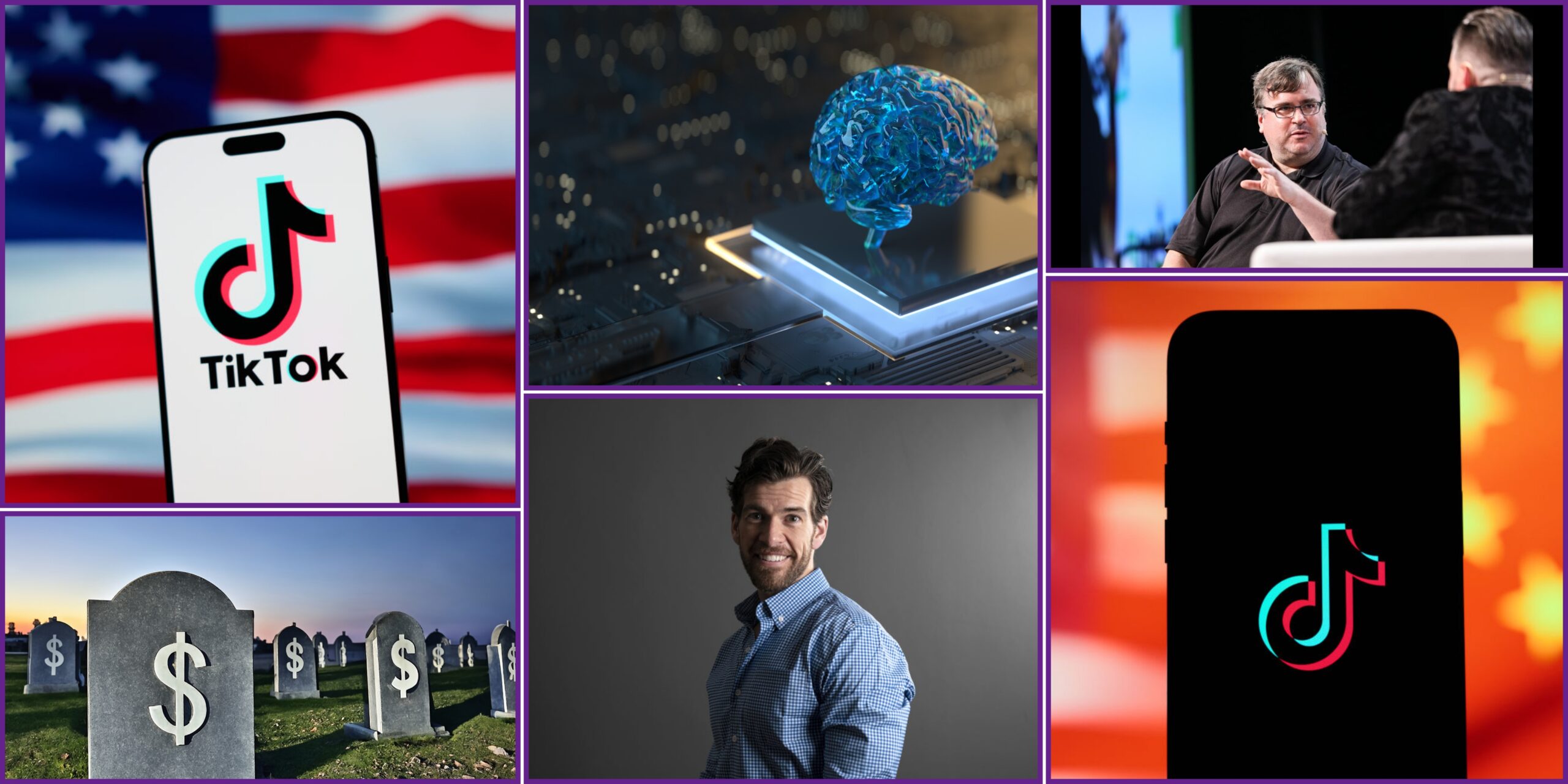
Perplexity AI Proposes Revised Plan for TikTok Ownership
Perplexity AI has put forward a new proposal involving TikTok that could lead to the U.S. government owning up to 50% of the company. The move comes as TikTok faces pressure to comply with a U.S. order requiring its sale due to national security concerns. The updated plan suggests creating a new company combining Perplexity AI, TikTok U.S., and other investors, with the government receiving its share after a public stock offering. This revision follows input from the Trump administration, which has emphasized the need for more U.S. control. Additionally, Oracle has been mentioned in reports as a potential buyer for TikTok’s U.S. operations, adding another layer to the ongoing negotiations.
DeepSeek’s AI Breakthrough: What It Means for the Industry
Chinese AI company DeepSeek has sparked global attention with the release of its open-source AI model, R1. The model has reportedly outperformed leading competitors, including OpenAI’s o1, on key benchmarks, and DeepSeek claims it achieved this with a significantly lower training cost of $5.6 million. This raises questions about how the company managed to succeed despite U.S. sanctions restricting access to advanced chips. Some experts suggest the restrictions pushed DeepSeek to innovate with more efficient methods, while critics argue there could be other motives, such as undercutting competitors. However, others believe this advancement demonstrates the growing potential of open-source collaboration, as DeepSeek built on technologies like Meta’s Llama and PyTorch. With its AI assistant app now the most downloaded on the Apple Store, DeepSeek’s achievement raises important questions about the future of AI innovation and competition.
How Reid Hoffman Sees AI Transforming Our Future
Reid Hoffman, in his book Superagency, emphasizes the immense potential of AI to enhance human capabilities and improve society. He argues that instead of solely focusing on what could go wrong, we should explore how AI can help us learn better, work smarter, and address global challenges like climate change. Hoffman believes that by testing AI tools with real users, we can make them safer and more effective, much like innovations that improved car safety over time. He supports smart regulations that target specific problems, such as cybercrime, while allowing innovation to flourish. By pushing companies toward greener energy and creating tools that empower rather than replace workers, Hoffman envisions AI as a force for collective progress and encourages a mindset that looks at what AI can do right.
Rising Startup Shutdowns: What’s Behind the Surge?
In 2024, a noticeable increase in startup shutdowns occurred, with 966 companies closing their doors, compared to 2023’s 769. The reason behind this rise can be traced back to the overvalued funding rounds of 2020 and 2021, when many startups received significant investments despite not being fully prepared for the challenges ahead. This led to unsustainable growth strategies and high burn rates, which eventually caused financial struggles as funding dried up. Sectors like SaaS, consumer goods, and health tech were hit hardest, particularly among seed and early-stage companies. The root cause can be linked to overconfidence in market conditions during the pandemic era, leaving many startups unable to secure further funding. Moving into 2025, the trend is expected to continue as the effects of past over-investment become clearer.
Brendan Wallace’s Insights on the Future of Real Estate and Technology
Brendan Wallace offers valuable perspectives on the evolving real estate landscape, highlighting the challenges and opportunities emerging from recent events like wildfires and the pandemic. With rising issues such as insurance instability in fire-prone regions, Wallace sees a growing need for innovative solutions to help homeowners and businesses cope. As wildfires threaten property values in Southern California, he suggests that the demand for new technologies like 3D-printed homes could change how houses are built, offering faster, cheaper, and more sustainable options. The shift toward using nonflammable materials could be a game-changer in protecting homes, but the focus will also need to shift towards retrofitting existing properties. While property tech has faced difficult times recently, Wallace believes the industry is now emerging stronger, with data centers, and the energy required to fuel them, becoming a major focus. To meet these demands, Wallace hints at Fifth Wall’s focus on solar and energy solutions to support the real estate industry’s growth in this new era.
Trump Administration’s Negotiations Over TikTok Deal
The Trump administration is reportedly negotiating a potential deal involving Oracle taking control of TikTok. This comes after a law was passed, demanding that ByteDance either sell TikTok or face a ban in the U.S. To avoid this, TikTok briefly went dark before the law’s enforcement. The proposed deal could see Oracle managing TikTok’s global operations, with ByteDance maintaining a minority stake in the company. This follows previous efforts by Trump to push for an Oracle takeover, with the company even handling U.S. user data through its servers. While Trump remains open to other options like Elon Musk or Larry Ellison purchasing TikTok, some lawmakers are uncertain about the details of the plan and continue to call for ByteDance to fully sell its ownership.
