
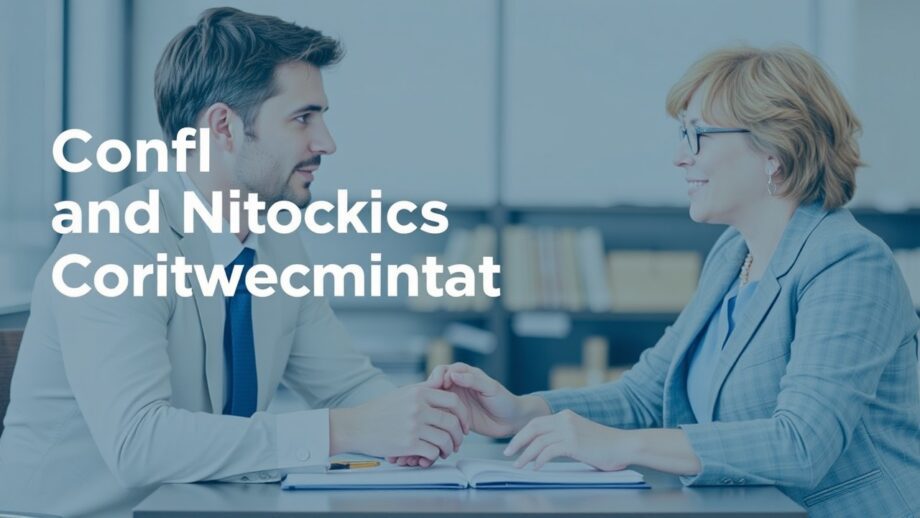
Welcome to this combined chapter on Conflict Resolution and Networking Communication Skills! In this chapter, we’ll explore two critical aspects of communication: resolving conflicts effectively and honing the skills needed for successful networking.
Building Positive Relationships: Whether it’s resolving conflicts or networking, effective communication plays a pivotal role in fostering positive relationships both personally and professionally.
Conflict Resolution:
Conflict is a natural part of human interaction. In this section, we’ll cover key components of conflict resolution and strategies for navigating disagreements constructively.
Key Components Explored:
- Understanding Conflict: Explore the nature of conflicts and the impact they can have on relationships.
- Effective Communication in Conflict: Learn how to communicate assertively, listen actively, and express emotions constructively during conflicts.
- Collaborative Problem-Solving: Understand the importance of finding mutually beneficial solutions and fostering cooperation.
- Resolving Workplace Conflicts: Explore strategies for addressing conflicts in professional settings and maintaining a positive work environment.
Networking Communication Skills:
Successful networking involves building meaningful connections and effectively communicating your value. Let’s explore key skills for effective networking.
Key Components Explored:
- Building a Network: Understand the importance of networking and how to strategically build and expand your professional network.
- Elevator Pitch: Craft a compelling elevator pitch to introduce yourself and your skills succinctly.
- Active Listening in Networking: Learn how active listening enhances networking conversations and strengthens relationships.
- Follow-Up and Relationship Maintenance: Explore the art of effective follow-up and maintaining meaningful professional relationships over time.
Practical Tips:
- Approach conflicts with a solution-oriented mindset, seeking common ground.
- Practice active listening during networking events to understand others’ perspectives.
- Seek feedback on your networking approach to continuously improve.
- Build a diverse network to enhance your opportunities for collaboration and learning.
Conclusion
Congratulations on exploring Conflict Resolution and Networking Communication Skills! These skills are instrumental in navigating both challenges and opportunities in your personal and professional interactions.
Stay tuned for the final chapter, where we’ll cover the principles of effective communication, bringing together key insights from the entire communication skills series.
