
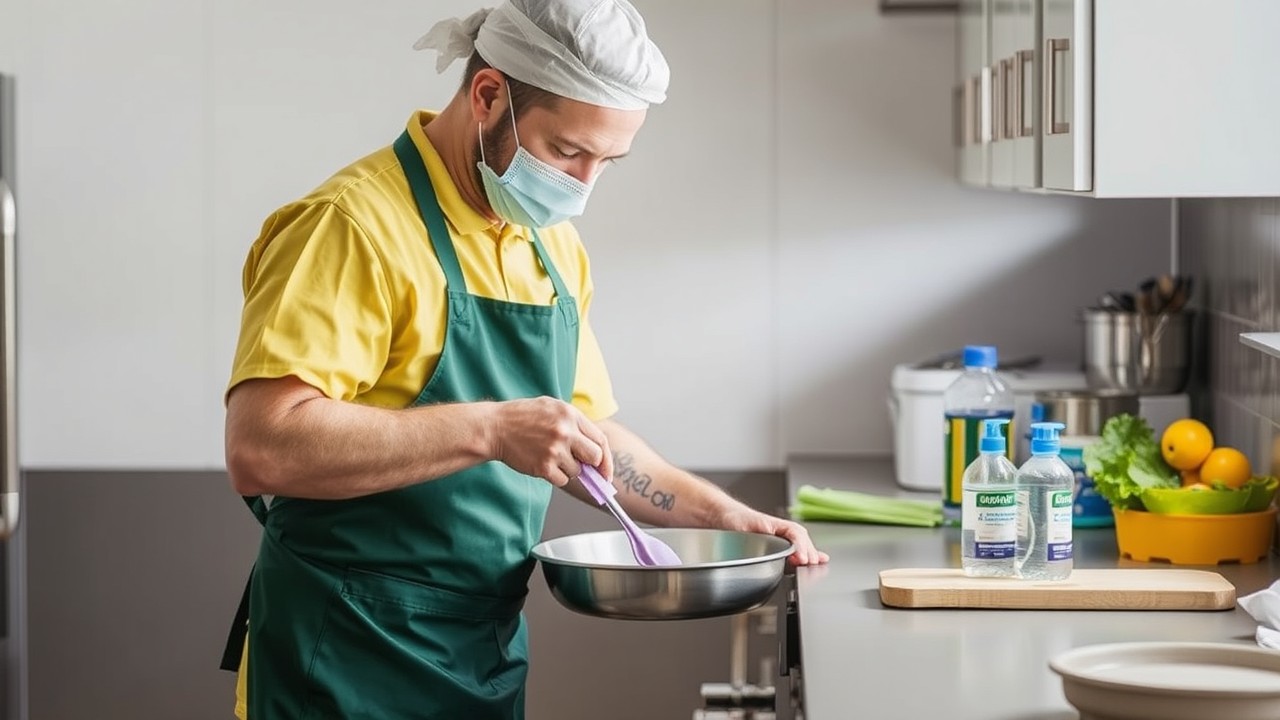
Welcome to the first chapter on Kitchen Safety and Hygiene! In this chapter, we will cover essential practices to ensure a safe and clean kitchen environment, which is crucial for preparing delicious and healthy meals.
💡 TIP: Prioritize safety and hygiene to prevent accidents and contamination in your kitchen.
📝 NOTE: Following proper kitchen safety and hygiene practices is not only important for your health but also for the quality of your culinary creations.
Importance of Kitchen Safety
Maintaining a safe kitchen environment is essential to prevent accidents and injuries. Here are some key tips to consider:
- Keep Your Workspace Clean: Regularly clean countertops, cutting boards, and utensils to prevent cross-contamination.
- Use Sharp Knives: A sharp knife is safer than a dull one, as it requires less force and is less likely to slip.
- Store Ingredients Properly: Store raw meats separately from other ingredients to avoid bacterial growth.
- Handle Appliances with Care: Follow manufacturer instructions when using kitchen appliances and tools.
Hygiene Best Practices
Maintaining proper hygiene in the kitchen is crucial for the health of both the cook and those who enjoy the meals. Here are some hygiene best practices to follow:
- Wash Hands Thoroughly: Wash your hands with soap and warm water before handling food and after touching raw ingredients.
- Use Separate Cutting Boards: Use separate boards for raw meats, fruits, vegetables, and cooked foods to prevent cross-contamination.
- Cook Food Thoroughly: Ensure that meats and poultry are cooked to the appropriate internal temperature to kill harmful bacteria.
- Keep Surfaces Clean: Regularly sanitize countertops, sinks, and utensils to prevent the spread of germs.
Practical Tips
- Use Gloves: Consider using disposable gloves when handling raw meats to minimize contact with bacteria.
- Label and Date: Label leftovers with dates to ensure you use them before they spoil.
- Practice Fire Safety: Keep a fire extinguisher in the kitchen and know how to use it in case of emergencies.
- First Aid Kit: Have a well-equipped first aid kit handy in case of minor cuts or burns.
Conclusion
By following proper kitchen safety and hygiene practices, you can create a safe, clean, and enjoyable cooking environment. Remember that safety and cleanliness go hand in hand with delicious and healthy meals.
