
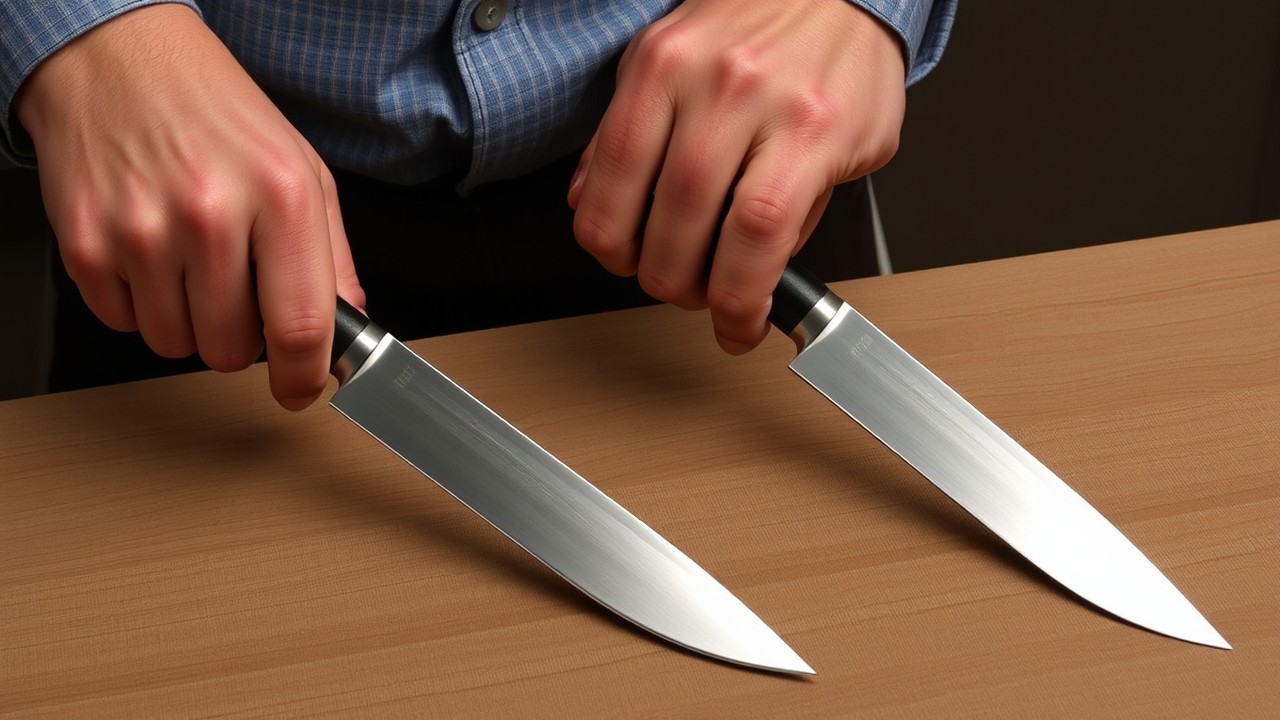
Welcome to the chapter on Knife Skills! In this chapter, we will delve into the art of using knives effectively and safely in the kitchen. Developing good knife skills is fundamental for efficient meal preparation and professional cooking.
💡 TIP: Mastering proper knife techniques enhances your culinary abilities and makes cooking more enjoyable.
📝 NOTE: Knife skills are a cornerstone of culinary expertise. Invest time in learning and practicing them.
Why Knife Skills Matter
Proper knife skills are essential for several reasons:
- Efficiency: Mastering knife techniques can significantly speed up the cooking process.
- Presentation: Precise cuts enhance the visual appeal of your dishes.
- Consistency: Uniform cuts ensure even cooking and consistent results.
- Safety: Using knives correctly minimizes the risk of accidents.
Basic Knife Techniques
Let’s explore some fundamental knife techniques:
- Chopping: Cutting food into large, irregular pieces.
- Dicing: Creating uniform cubes of varying sizes.
- Mincing: Finely chopping ingredients into tiny pieces.
- Slicing: Cutting food into thin, even pieces.
- Julienne: Creating thin matchstick-like strips.
- Battonet: Larger, rectangular sticks used in dishes like soups and stews.
Knife Selection
Choosing the right knife for the task is crucial. Common types include:
- Chef’s Knife: Versatile, all-purpose knife for chopping, dicing, and slicing.
- Paring Knife: Small knife for intricate tasks like peeling and trimming.
- Serrated Knife: Ideal for slicing bread and delicate items like tomatoes.
- Boning Knife: Used for removing bones from meat and poultry.
- Utility Knife: Smaller than a chef’s knife, suitable for various tasks.
Knife Care and Maintenance
Proper care ensures your knives remain sharp and safe:
- Hand Washing: Wash knives by hand, avoiding harsh detergents that can dull the blade.
- Storage: Use a knife block or magnetic strip to store knives safely.
- Sharpening: Regularly hone and sharpen knives to maintain their edge.
- Use Cutting Boards: Choose boards made of wood or plastic to avoid dulling the blade.
- Handling: Avoid using knives for tasks they’re not designed for to prevent damage.
Knife Safety Tips
Ensuring safety while using knives is paramount:
- Keep Fingers Curled: Curl your fingers when holding ingredients to prevent accidental cuts.
- Use a Stable Surface: Cut on a stable and non-slip surface to prevent accidents.
- Focus and Concentration: Stay focused on the task at hand to avoid distractions.
- Clean As You Go: Immediately clean knives after use to prevent accidents during cleaning.
Practice and Mastery
Knife skills improve with practice. Start with basic techniques and gradually advance to more complex cuts. Remember to maintain a relaxed grip and use a consistent cutting motion for best results.
Advanced Techniques
As you become more proficient, you can explore advanced techniques like filleting fish, carving meat, and creating intricate garnishes.
Putting It All Together
Mastering knife skills not only enhances your culinary abilities but also adds an element of artistry to your cooking. Whether you’re a home cook or a professional chef, precise knife skills are a valuable asset.
