
TravelPerk Expands with Major Funding and Strategic Acquisition
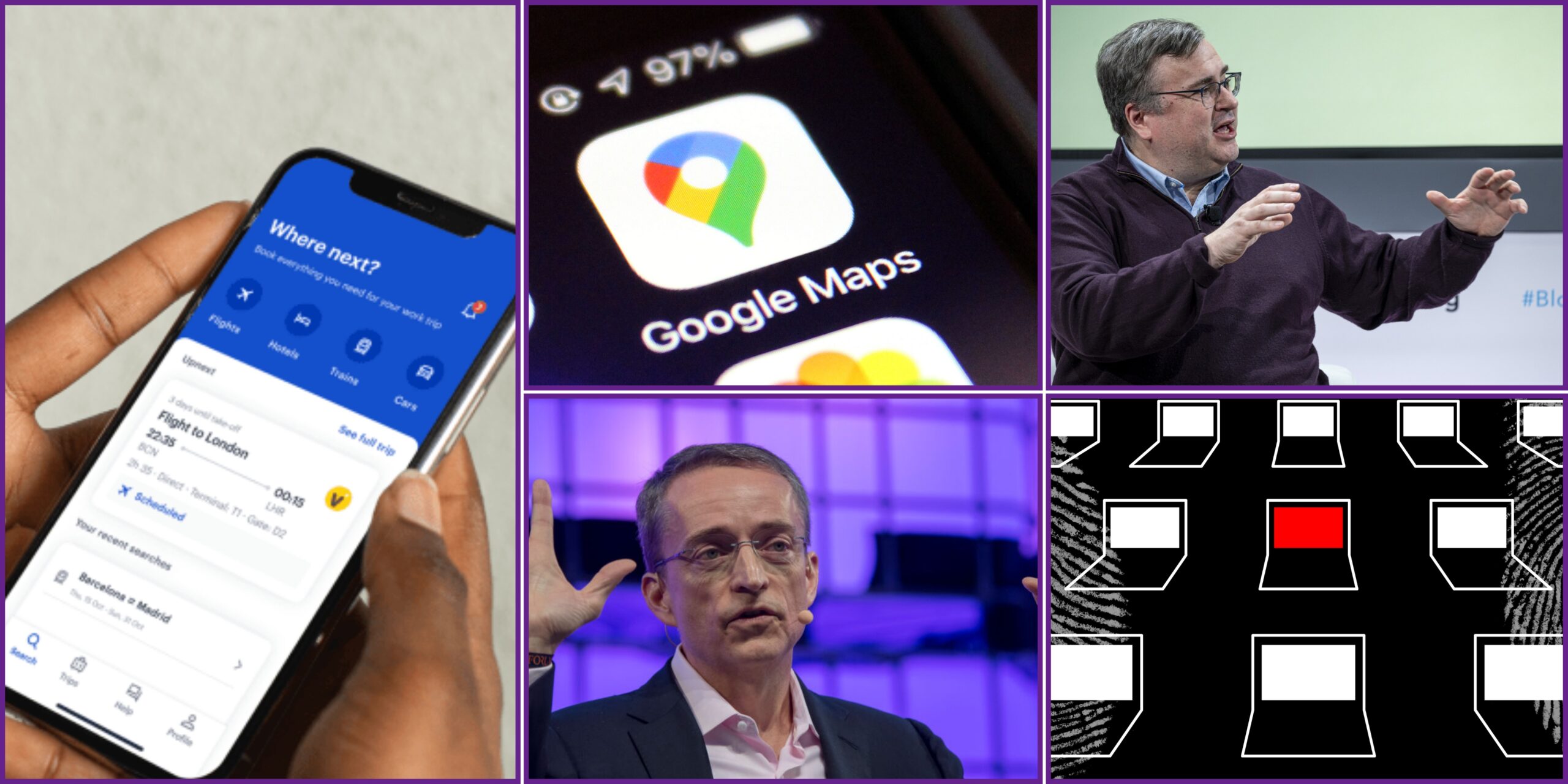
TravelPerk, a Barcelona-based travel management platform, has secured $200 million in funding, raising its valuation to $2.7 billion. This move highlights the company’s goal to expand its global reach and strengthen its offerings. The growing demand for corporate travel, projected to hit $1.5 trillion in 2024, underscores the need for streamlined travel and expense solutions. To address this, TravelPerk has acquired Swiss startup Yokoy, known for its AI-driven expense management tools. This strategic acquisition enables TravelPerk to integrate expenses directly into its platform, providing businesses with a unified tool for travel and expense management. By combining AI technology and focusing on the needs of decentralized teams, TravelPerk aims to simplify operations for companies worldwide and solidify its position as an industry leader.
Trump Administration Pushes for Landmark Name Changes
The Trump administration has called for renaming several iconic landmarks, including changing the Gulf of Mexico to the “Gulf of America” and restoring Denali’s previous name, “Mount McKinley.” These changes were announced as part of an executive order aimed at reflecting historical ties and honoring past figures. Google Maps plans to implement these updates after the government’s Geographic Names Information System (GNIS) officially records the changes. While the move has sparked backlash from Alaskan leaders and Mexico’s president, Google clarified that map names will vary by user location, with some regions showing both versions side by side.
Manas AI: A New AI-Powered Drug Discovery Venture
A new AI-driven drug discovery company, Manas AI, has been launched by Reid Hoffman and Siddhartha Mukherjee, focusing on finding treatments for cancers like breast cancer, prostate cancer, and lymphoma. Despite raising $24.6 million in initial funding, the amount is relatively small compared to competitors like Xaira, which raised $1 billion. So, why this difference? Manas AI plans to design novel drug molecules using AI technology and then test them in laboratory settings. The company’s collaboration with Microsoft, leveraging its cloud services and AI expertise, will play a crucial role in developing these new treatments. Hoffman’s close ties to Microsoft are expected to further enhance the company’s potential for success in the competitive field of AI drug discovery.
DeepSeek’s R1: A Game-Changer in the AI Industry
A new player in the AI space, DeepSeek, has introduced a groundbreaking open-source model called R1, which is raising eyebrows across the industry. Why is it causing such a stir? The model promises impressive performance at a significantly lower cost, trained using Nvidia’s H800 GPUs with a budget of just $5.5 million. This stands in stark contrast to the billions that other companies are investing in similar AI technology. How did DeepSeek manage to achieve this? The company’s focus on engineering creativity and cost-effective solutions has allowed it to break away from the traditional model of relying on massive hardware investments. The reaction from industry leaders like Pat Gelsinger has been overwhelmingly positive, as it offers a more affordable and open approach to AI. Gelsinger’s own company, Gloo, is already integrating R1 into its AI services, replacing the need for expensive, closed-source models like OpenAI. However, some competitors and analysts remain skeptical, questioning whether R1 can truly hold up against future models from companies like OpenAI. Despite concerns about DeepSeek’s Chinese origins and potential privacy issues, the success of R1 highlights a shift toward more accessible and open AI solutions.
Cyberattackers Exploit Vulnerability in Remote Access Devices
A recently discovered security flaw in SonicWall’s SMA1000 remote access devices is making corporate networks vulnerable to cyberattacks. Hackers are targeting this weakness, which was uncovered by Microsoft, to bypass security and install malware on systems without requiring login credentials. The flaw, tracked as CVE-2025-23006, is a “zero-day” bug, meaning it was being exploited before a fix could be released. Thousands of devices exposed to the internet are at risk, especially as hackers increasingly target cybersecurity products like VPNs and firewalls that are supposed to protect company networks. In response, SonicWall has issued an urgent security patch to prevent further attacks. This issue is part of a growing trend, as similar vulnerabilities in other major cybersecurity companies, such as Cisco and Citrix, have also been exploited in recent years, as reported by CISA.
