
Big Changes in Transportation: What’s Happening and Why It Matters
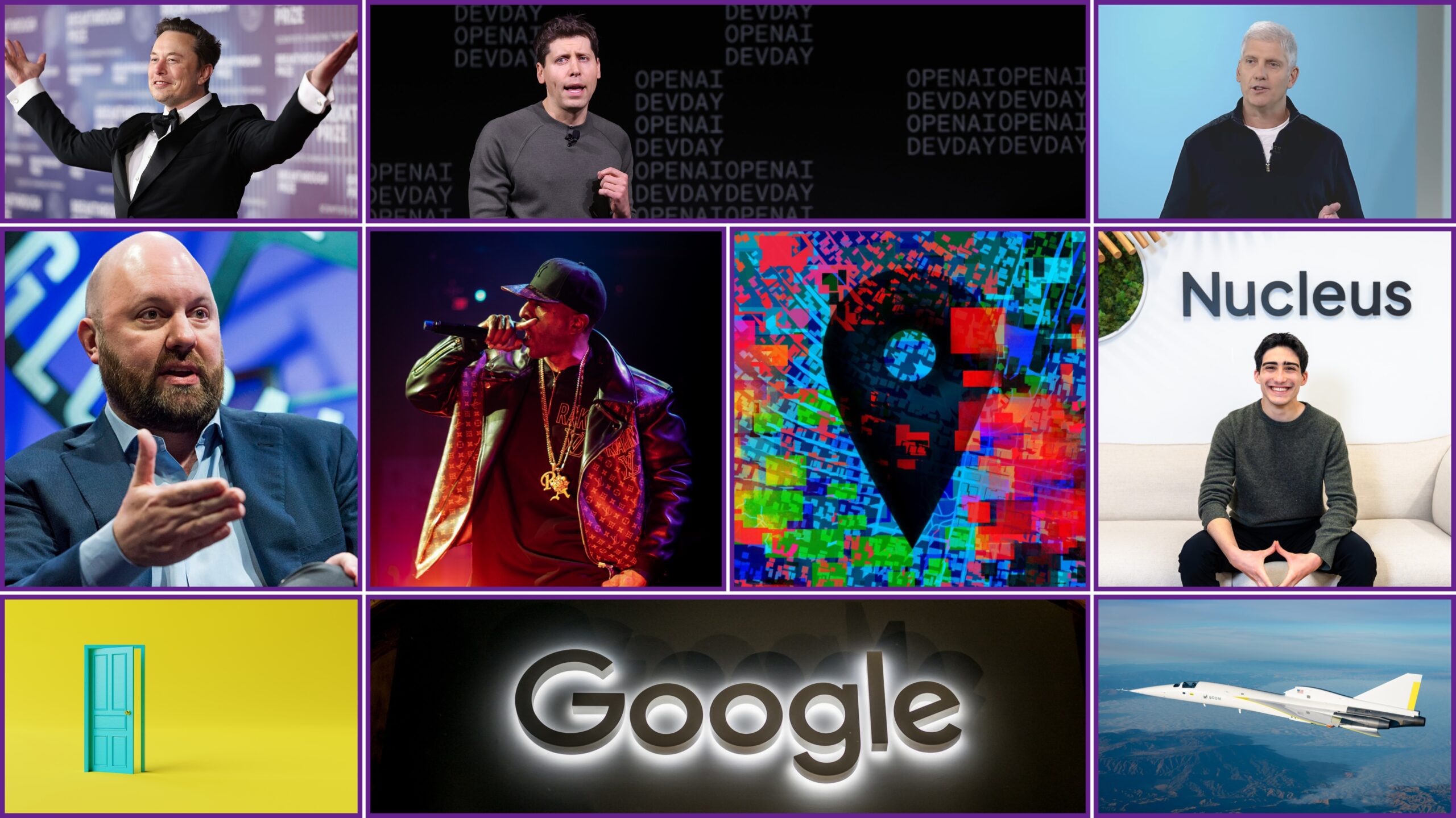
Major shifts are happening in the world of mobility, with companies making bold moves to shape the future of transportation. Tesla is planning to introduce a driverless ride-hailing service in Austin by June, but how will it work, and will it truly be ready? Meanwhile, GM’s Cruise has shut down its robotaxi program to cut costs, offering some employees new roles—so what does this mean for the future of self-driving cars? In the financial space, Moove, an African car financing company, has expanded by acquiring Brazil’s Kovi, raising questions about how this will impact ride-hailing globally. On the tech side, hidden features in Waymo’s app have been discovered, and the company is also testing self-driving cars on LA freeways, preparing for expansion into 10 U.S. cities—but how soon will these services become mainstream? Electric vehicle owners also have new updates, as Lucid Gravity SUVs will now have access to Tesla Superchargers, and a redesigned Tesla Model Y is set to launch in North America in March—will these changes drive more EV adoption? In legal news, Rivian is dealing with employee complaints about workplace issues, with cases moving forward in court. Meanwhile, in aviation, Boom Supersonic’s XB-1 jet has reached supersonic speeds, proving that high-speed travel could be making a comeback. And finally, Amazon is expanding drone deliveries in the U.K., but will this be the future of e-commerce logistics? With so many developments happening at once, the transportation industry is at a turning point, and the next few months will reveal how these innovations will shape the way we move.
Google’s Voluntary Exit Program: What’s Happening and Why?
Google is offering a voluntary exit program to employees working in its Pixel, Android, and Chrome teams, providing a severance package to those who choose to leave. This move comes after the company merged these teams into a single division last year, aiming to integrate AI more deeply into its products. With Gemini AI becoming a major part of Google’s hardware and software, changes are reshaping how its technology operates. The company’s focus on AI was recently highlighted during Samsung’s Galaxy S25 launch, where Gemini played a central role. Additionally, Google has replaced its Home Assistant with Gemini AI on Pixel devices. The exit program impacts products like Fitbit, Nest, and Google Photos, while teams focused on AI and Search remain unaffected. At the same time, Amazon has also announced layoffs in its corporate and communications departments, signaling broader shifts in the tech industry.
A16z Expands in Europe with Startup Scouts Despite London Office Closure
Despite closing its London crypto office, Andreessen Horowitz (a16z) continues to strengthen its presence across Europe. The firm has deployed a network of scouts in countries such as Sweden, France, Germany, Estonia, the U.K., and Amsterdam, focusing on discovering early-stage startups. These scouts, including notable names like Pippa Lamb of Sweet Capital and Guillaume Roux-Romestaing of 11x, are expected to find up to 8 startups annually and invest between $10,000 to $25,000 each. This move highlights a strategic shift, focusing on identifying promising opportunities across the continent, though they are restricted from investing in NFTs. While the firm hasn’t commented publicly, this approach suggests a deeper commitment to European innovation despite changes in its London office structure.
Google Introduces AI-Powered Business Inquiries
Google is rolling out a new feature that makes it easier for users to get information from local businesses without having to make phone calls themselves. The feature uses AI to handle calls to services like nail salons and auto repair shops, inquiring about things like pricing and availability. By simply entering details such as service type and timing, users can receive a summary of the information they need without spending time waiting on hold or talking to a representative. This innovation is part of Google’s ongoing efforts to save users time, following their earlier release of a feature that waits on hold for users and connects them to live reps. Additionally, Google’s new “Daily Listen” feature offers personalized audio news, further enhancing the company’s use of AI to simplify tasks for its users.
Data Leak Exposes Sensitive User Information at AngelSense
A major data leak at AngelSense has raised concerns after personal details, GPS locations, and health information of users were exposed online. The company’s database, which was left unprotected without a password, allowed anyone to access sensitive data, including emails, passwords, and partial credit card information. This incident came to light when security firm UpGuard notified AngelSense about the vulnerability, but the company initially dismissed the warning. It wasn’t until UpGuard made a direct call that the company took action. Despite the breach, AngelSense’s CEO reassured there was no indication the data was misused, though investigations are ongoing, and affected users may be notified in the future.
Notes: Empowering Independent Musicians with Financial Tools
A new app, created by Victor D. Lombard (DIVINE), is aiming to address the challenges faced by independent musicians. With the partnership of hip-hop icon Rakim, this platform is designed to help artists manage their careers, improve their financial literacy, and gain access to important resources like loans and credit scores. It includes innovative features such as an AI voice assistant and a digital passport for tracking finances. The goal is to give artists the tools and knowledge they need to thrive on their own terms, offering courses on music business and monetization. By providing a subscription-based model and working with lenders for referral fees, the platform hopes to shift the balance of power back to the artists, allowing them to take control of their financial future and career success.
Cushion’s Unexpected Shutdown: What Happened, Why It Happened, and How It Unfolded
Cushion, a fintech company that aimed to simplify bank fee negotiations, has unexpectedly shut down. Despite raising $21.6 million in funding, including a significant $12 million Series A in 2022, the company couldn’t reach the growth needed to stay afloat. Founded with the vision of automating bank fee refunds, Cushion’s app attracted 1 million users and processed over $300 million in BNPL loans, but its growth wasn’t enough to sustain operations. The company had a promising start, reaching $3 million in annual revenue within just 10 months, but it still couldn’t overcome the challenges that ultimately led to its closure. Founder Paul Kesserwani expressed pride in the company’s contributions to the fintech industry, even though it didn’t meet its long-term goals. This shutdown reflects the ongoing struggles many startups, particularly in fintech, are facing as 2025 is predicted to be a tough year for the sector.
Nucleus Genomics: Revolutionizing Genetic Testing for the Future of Healthcare
What if everyone could easily access their genetic information and use it to personalize healthcare? Nucleus Genomics is making that future a reality by offering affordable DNA testing that can reveal genetic risks for various health conditions, such as schizophrenia and prostate cancer. With a recent $14 million in funding, the company aims to change the way people understand their health, making it possible to tailor medical treatments based on DNA. But the company’s controversial Nucleus IQ test, which suggests a link between genes and intelligence, has raised questions about potential discrimination. Founded by Kian Sadeghi, who was motivated by a personal loss, Nucleus envisions a world where your complete genetic data is accessible on your smartphone, helping guide decisions about healthcare and even family planning.
OpenAI’s Ambitious Funding Plans and Future Growth
OpenAI is aiming to secure a massive investment, potentially raising up to $40 billion, which could significantly increase its current value to $340 billion. This move comes as the company looks for ways to support its expanding business and ambitious projects, like Stargate, which focuses on building AI data centers across the U.S. Despite a reported loss of $5 billion in 2024 against $3.7 billion in revenue, OpenAI sees this funding as crucial to its long-term success. SoftBank is expected to lead the funding round, providing a substantial portion of the capital to help cover operational costs and move forward with its growth strategy.
Tesla’s Self-Driving Ambitions Face Setbacks
Tesla’s long-running promises about fully autonomous driving are facing new challenges. For years, Elon Musk claimed that all Tesla vehicles were equipped with the necessary hardware for self-driving capabilities. However, it’s now clear that cars with the older Hardware 3 will need significant upgrades before they can drive without human intervention. This change is due to the limitations of the older computer system, which has caused disappointment among customers who were led to believe their cars were already ready for full autonomy. Musk acknowledged that the timeline for achieving self-driving cars has been overly optimistic. The shift to newer Hardware 4 computers marks a new phase, with Tesla aiming for a self-driving test program in Austin by mid-2025. As the company faces legal and technical hurdles, Musk hopes 2025 will be a breakthrough year for Tesla’s self-driving efforts.
