
DeepSeek Temporarily Stops New Signups
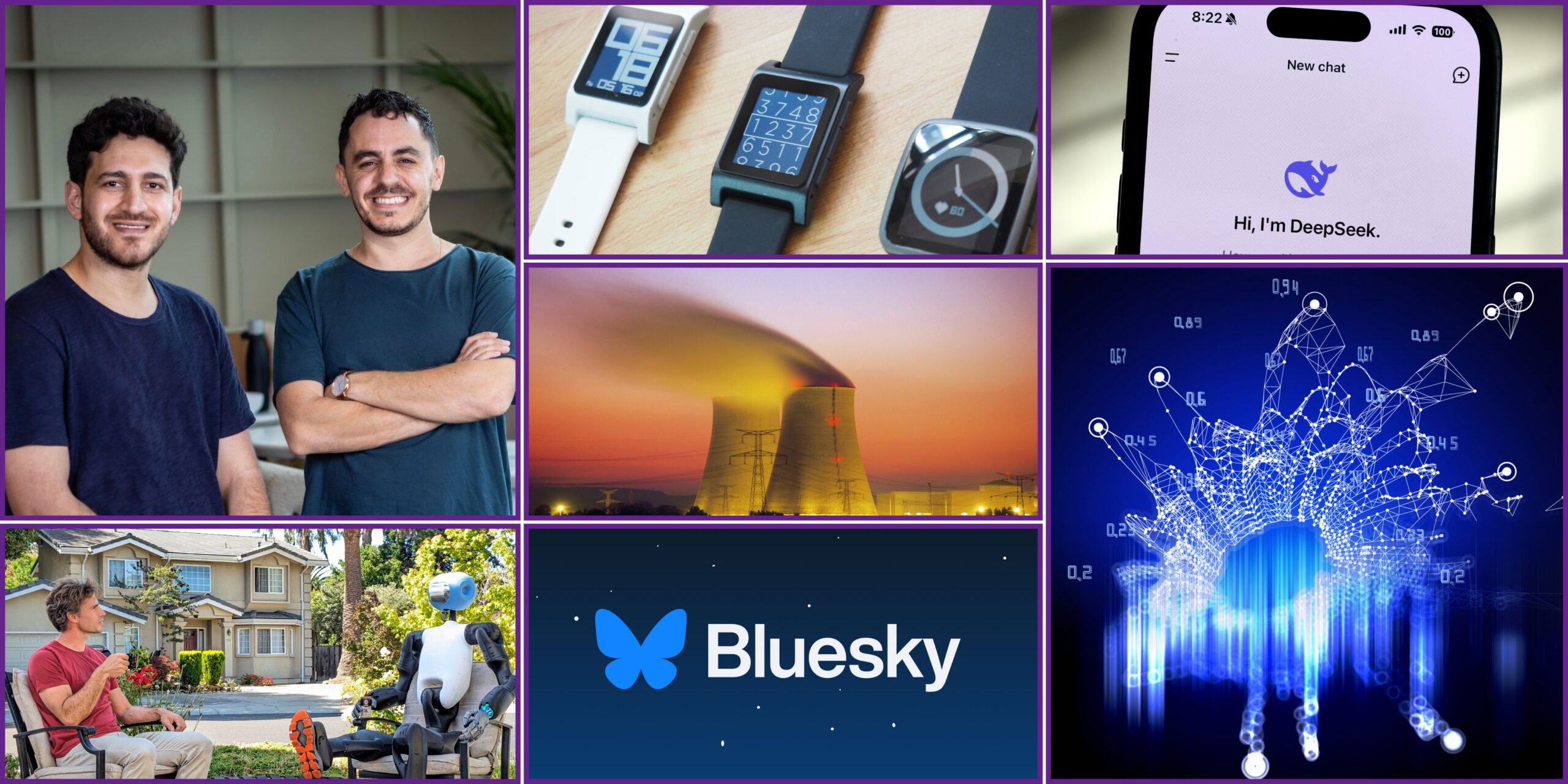
DeepSeek, a rising Chinese AI company, has temporarily halted new user registrations. The pause comes after a reported cyberattack, raising concerns about security. Current users, however, can still access their accounts without any disruptions. This move follows the company’s recent success with its R1 AI model, which claims to outperform major competitors like OpenAI’s o1 in several key tests. With its app gaining 2.6 million downloads, including a surge of 1 million in a single day, the company’s rapid growth has drawn industry-wide attention. Despite the challenges, DeepSeek unveiled a new image AI model today, signaling its commitment to innovation amidst adversity.
Bluesky Expands Focus on Video Content
Bluesky is stepping into the video space with new features aimed at boosting user engagement. A TikTok-like custom video feed and a video tab on user profiles now let users display their own videos or share content from other platforms like TikTok. The move comes as the platform explores video as a potential revenue stream, with plans to introduce paid features like longer or higher-quality uploads. However, reactions are mixed—some users want to turn off the video tab, while others prioritize features like an Edit button. Developers are also showing interest, creating apps like Flashes, Reelo, and Skylight, which are video-focused clients for Bluesky. Even investor Mark Cuban has expressed openness to backing video projects built on Bluesky’s AT Protocol. These changes, introduced in the 1.97 update, also bring better user blocking, DM reporting, and translation tools.
S1X Acquires Kind Humanoid, Advancing Robotics Industry
S1X’s recent acquisition of Kind Humanoid is a significant move that could reshape the future of humanoid robotics. This partnership brings together Kind’s innovative approach to robot design, which has already caught attention through its collaboration with renowned designer Yves Béhar, and 1X’s expertise in AI-driven robotics. The acquisition reflects the growing importance of combining artificial intelligence with robotics, as companies like Kind focus on improving robots’ intelligence through large language models. At the same time, 1X’s funding success, with investors like Tiger Global and OpenAI, signals strong industry backing for this next wave of technological advancements in robotics. The deal shows how strategic collaborations can accelerate innovation, especially as the demand for smarter, more adaptable robots increases.
Changing Energy Demands in the Age of AI
As AI continues to grow, there’s a rising question of whether the massive hardware and energy consumption we’ve expected will truly be necessary. Companies like DeepSeek are challenging this by showing that AI models can perform well with far fewer resources, raising doubts about the need for heavy investments in computing power. This shift in AI efficiency could change the way tech companies approach their energy needs, especially with data centers projected to use up to 12% of U.S. electricity by 2027. While many tech giants have turned to nuclear energy to meet these demands, others are increasingly looking at renewables like wind and solar, which offer cheaper, scalable solutions that can be deployed more quickly. The question now is whether the current rush into nuclear will prove to be an overinvestment, as more efficient AI models and renewable energy solutions emerge.
DeepSeek’s Sudden Rise: What Happened and Why It Matters
In recent days, DeepSeek’s mobile app has made an unexpected leap to the top of global app charts, surpassing established AI apps like ChatGPT. But what fueled this rapid success? DeepSeek has claimed that its AI models were trained for a fraction of the cost compared to competitors, utilizing more affordable technology, which has sent shockwaves through the tech industry. As a result, the app has surged to 2.6 million downloads, with 80% of these occurring within the past week. This explosive growth has made it a top contender in the AI space, with the app ranking among the top 10 free apps in 111 countries. The app’s success can be partly attributed to Apple’s ranking system, which rewards fast download growth. While some experts are trying to understand DeepSeek’s low-cost training methods, the company is also facing challenges, including cyber attacks that forced it to limit access for users outside China. This rise has left the tech industry on edge, as it raises important questions about the future of AI development and competition.
Pebble’s Comeback: A New Chapter for the Iconic Smartwatch Brand
The return of Pebble might seem unlikely in today’s smartwatch market, but Eric Migicovsky, the company’s original founder, is determined to bring it back. The rise of the Apple Watch may have overshadowed Pebble, but Migicovsky sees an opportunity to create a simpler, more focused device that meets specific needs. By open-sourcing PebbleOS, Google is giving him the chance to build a new smartwatch on the foundation of what was once a groundbreaking product. Migicovsky’s vision includes a long battery life, an always-on e-paper screen, and a user-friendly experience that prioritizes essential features. This new version of Pebble won’t rely on outside investors or crowdfunding campaigns, as Migicovsky is self-funding the project, confident in the demand from a loyal fan base. With manufacturing processes now easier to navigate, especially in Shenzhen, Migicovsky believes the key to success lies in creating the right software—something that’s proven to be the biggest challenge so far.
Growth of Machine Identities and the Need for Stronger Security
With the rapid expansion of cloud technology and AI, the number of machine identities in businesses is increasing, creating new security challenges. These machine accounts, unlike human ones, often lack proper oversight and can remain active even after the projects or contractors they were created for are no longer in use. This lack of control makes them prime targets for cyberattacks, as shown by incidents like the Okta hack in 2023 and Microsoft’s 2024 breach, where old service accounts were exploited. The need to address this issue has led to the creation of companies like Token Security, which offers automated tools to identify and secure these machine identities. By focusing on detecting outdated or excessive access privileges, Token Security helps companies prevent breaches before they happen. Leveraging the founders’ expertise in military intelligence, the company is using AI-driven solutions to tackle these growing threats, all while expanding its reach by relocating to the U.S. market.
