
New Video Apps Rise as TikTok’s Future Remains Uncertain
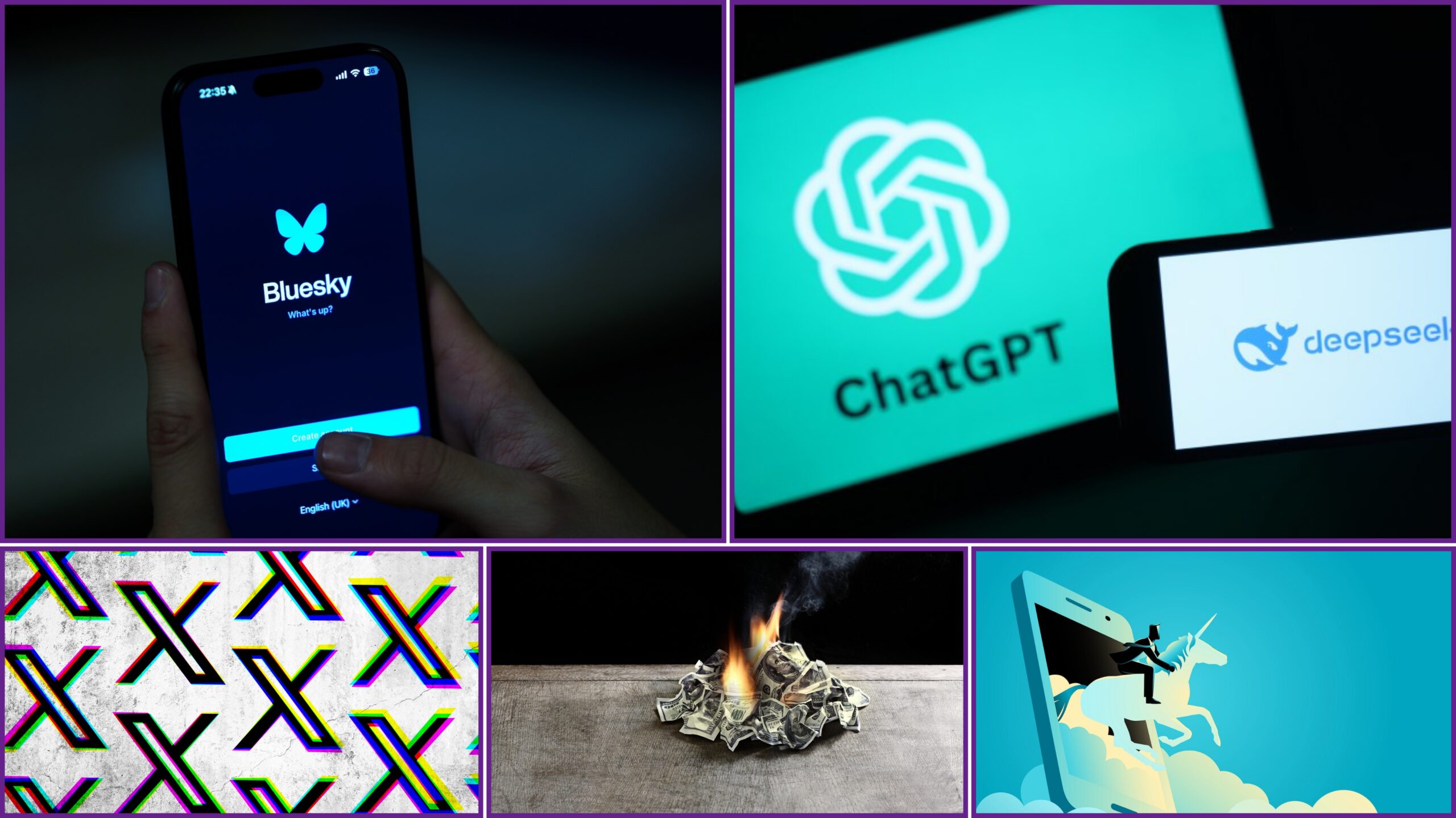
With concerns growing over TikTok’s potential ban, developers are exploring new ways to keep video content thriving. What’s happening? Several new apps are being built on the decentralized Bluesky network, aiming to offer users an alternative video-sharing experience. Why is this important? Many creators and businesses rely on TikTok, and a ban could disrupt their audience and income. How are developers responding? Apps like Bluescreen, Reelo, and Skylight are working to recreate the TikTok experience, each with unique features like longer videos, live streaming, and personalized feeds. Others, like Videos for Bluesky and BlueSky Reels, focus on making video browsing and sharing easier. As the demand for open and decentralized platforms grows, these new apps could shape the future of social video.
The Growing Startup Debt Crisis: What’s Happening and Why It Matters
Startups are facing increasing financial pressure as lenders tighten their grip on struggling companies. Some, like Bench and Convoy, have already collapsed or been taken over due to unpaid loans. Others, like Divvy Homes, were sold at high valuations, but investors walked away with little to nothing. But why is this happening? Many startups took on massive debt during the 2020-2021 funding boom, often without strict financial checks. Now, as cash reserves run low and growth slows, lenders are stepping in, forcing sales or shutting businesses down. How does this impact the industry? With investors hesitant to fund overvalued companies, many once-promising startups could disappear in 2025. Despite these risks, venture debt has hit record levels, especially in AI, with companies like OpenAI and CoreWeave securing billions. The question remains: will these new investments fuel future success, or lead to even more failures?
Why People Are Leaving X and What Alternatives They Are Turning To
As X faces a decline in daily active users, many are turning away from the platform, seeking alternatives like Bluesky, Mastodon, and Threads, or even stepping away from social media altogether. Some are frustrated by X’s changes, such as turning the blue checkmark into a paid feature, while others are concerned with Musk’s political influence. If you’re considering leaving, it’s important to back up your data, like posts and messages, before deleting your account. Changing your username and privacy settings can also help protect your online presence. X provides a 30-day grace period after deactivation, so you can always come back if you change your mind. Meanwhile, Bluesky, which has grown rapidly, offers users an open-source platform focused on transparency, while Mastodon attracts a tech-savvy crowd with its decentralized system. For those looking for a simpler option, Threads, owned by Meta, has seen a huge boost in users thanks to its easy connection with Instagram.
DeepSeek’s Rapid Rise and the Controversies Surrounding It
DeepSeek has quickly become a major player in the AI field, even surpassing OpenAI’s ChatGPT in popularity. The growing attention can be attributed to the company’s innovative approach, which experts like UC Berkeley’s Ion Stoica believe is centered on the importance of open-source technology in shaping the future of AI. This shift towards open-source has caught the eye of major companies like Microsoft, who decided to host DeepSeek on its Azure platform. Meanwhile, the U.S. is focusing on strategies to encourage innovation, with hopes of shaping a progressive future in 2025. However, behind the hype, there’s a rising debate regarding DeepSeek’s training methods, as it faces accusations of using OpenAI’s models to build its own AI system.
The Future of AI and One-Person Businesses
The idea of one-person businesses reaching billion-dollar valuations is becoming more realistic with the rise of AI. But why is this happening now? Thanks to advanced AI helpers, small businesses can scale without the need for large teams. This could revolutionize entrepreneurship, as tasks that once required multiple employees can now be handled by AI agents. However, challenges remain in areas like trust and personal connections, especially when it comes to sales. AI is also reshaping the workforce, introducing “digital workers” that can carry out tasks traditionally done by humans. The bigger question is, how will this shift impact the job market? Will AI create new roles or replace existing ones? With these changes, entrepreneurs might soon find themselves working alongside AI systems, bringing them closer to achieving the dream of a solo, billion-dollar business.
