
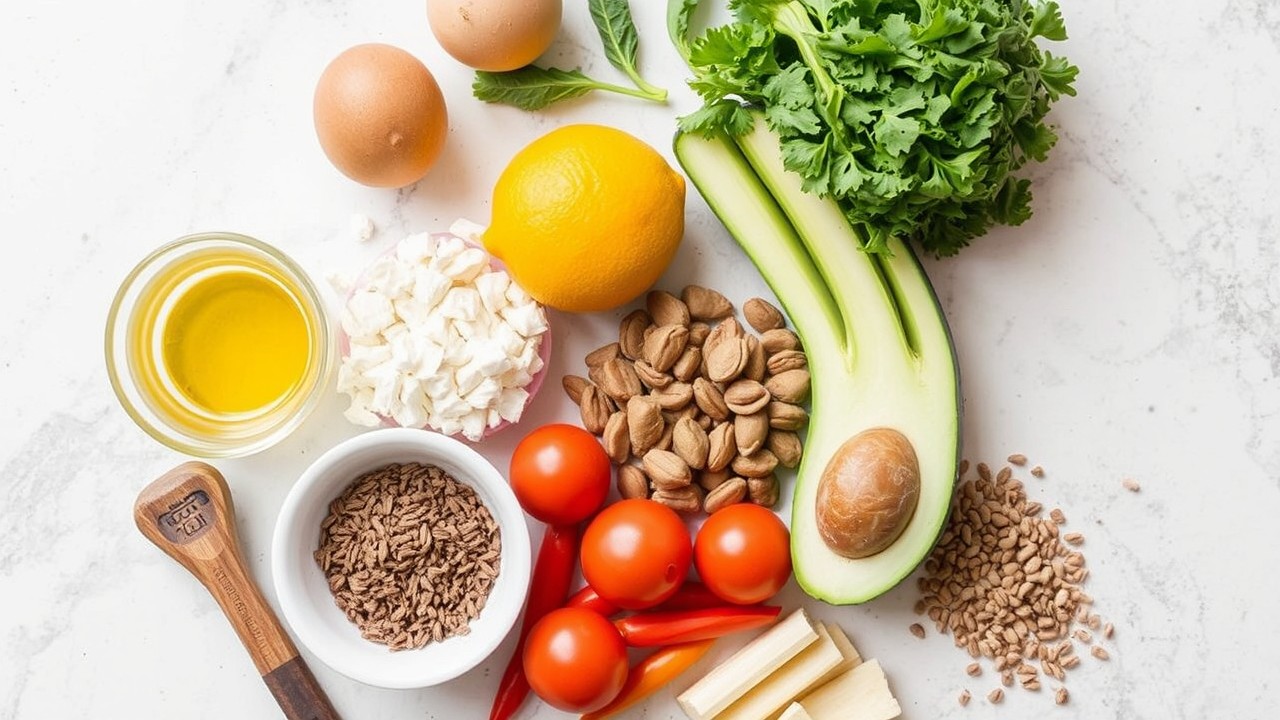
Welcome to the chapter on Understanding Ingredients! In this chapter, we’ll explore various ingredients commonly used in cooking. A deep understanding of ingredients helps you make informed choices and create flavorful dishes.
💡 TIP: Understanding ingredient flavors and properties enables you to pair and balance them effectively.
📝 NOTE: Different cuisines and cultures use ingredients in unique ways. Embrace experimentation to discover new combinations.
Key Ingredients and Their Uses
Let’s dive into some essential ingredients and how they’re used in cooking:
- Herbs and Spices: Enhance flavors with a variety of herbs like basil, thyme, and spices like cumin, paprika.
- Vegetables: Add texture and nutrition with a range of vegetables from leafy greens to root vegetables.
- Meats and Poultry: Provide protein and savory depth to dishes like chicken, beef, and pork.
- Seafood: Offer delicate flavors with fish and shellfish like salmon, shrimp, and scallops.
- Grains and Legumes: Include staples like rice, pasta, and beans for hearty and filling meals.
- Dairy and Dairy Alternatives: Add creaminess with options like milk, cheese, and plant-based alternatives.
Flavor Profiles and Pairing
Understanding ingredient flavors helps you create balanced and delicious dishes:
- Complementary Pairing: Combine ingredients with similar flavors for a harmonious taste.
- Contrasting Pairing: Balance flavors by combining ingredients with opposite tastes.
- Umami: Enhance savory flavors with umami-rich ingredients like mushrooms and soy sauce.
Seasonal and Fresh Ingredients
Using seasonal and fresh ingredients maximizes flavor and quality:
- Seasonal Availability: Ingredients taste best when in season, as they are at their peak freshness.
- Local Produce: Support local farmers and markets by incorporating locally sourced ingredients.
Ingredient Substitutions
Adapting recipes based on ingredient availability or dietary preferences:
- Dairy-Free Alternatives: Replace dairy with plant-based options like almond milk or coconut yogurt.
- Gluten-Free Choices: Opt for gluten-free flours and grains for those with gluten sensitivities.
- Vegetarian or Vegan Swaps: Replace meat with tofu, tempeh, or legumes for plant-based dishes.
Culinary Exploration
Exploring ingredients from different cuisines and cultures opens up new culinary horizons:
- Global Ingredients: Experiment with spices, sauces, and ingredients from around the world.
- Fusion Cooking: Combine elements from different cuisines to create unique and innovative dishes.
Putting It All Together
A deep understanding of ingredients allows you to create dishes that are not only delicious but also reflect your culinary style. Embrace creativity and experimentation to continually expand your repertoire.
